
A whole-house repipe. Just the words make people nervous. And sure, sometimes it's a real project. But once you know what actually happens- before, during, after it's not this big scary mystery anymore. If you're in Nolanville trying to decide between repiping everything or just fixing leaks one at a time, talk to plumbing professionals in Nolanville and ask them straight up. A decent one won't just push the expensive option on you.
Most people get this part wrong: they think repiping is just yank the old pipes, shove in new ones, done. Nope. Not even close. You've gotta check what condition your pipes are actually in first. Then pick a material: I'll be honest, I like PEX for most houses; it's cheaper and easier to work with, though copper still holds up better in the long term if you can afford it. You also need to know how long you can put up with the disruption, how easy the pipes are to reach, and what you're actually willing to spend. Skip any of that and the job runs longer, costs more, and you end up annoyed at your contractor for no good reason.
What Is a Whole-House Repipe?
Whole-house repiping means swapping out most or all the water supply pipes in your home. That's different from just fixing one leaky pipe or replacing a small damaged section. Big difference, actually.
Signs to watch for:
Pipes keep leaking, over and over
Water looks rusty or discolored
Water pressure's weak and won't improve
You see corrosion building up around connections
Pipes are making noise (banging, clanking, whatever)
You've called a plumber for repairs more than once or twice lately
You've still got old galvanized pipes
Look, the point of repiping isn't to fix one problem. It's to stop the cycle of fixing problem after problem after problem. In my opinion, if you're already calling a plumber three or four times a year for the same kind of issue, you're not saving money by avoiding repiping; you're just paying for it in smaller, more annoying chunks.
When Does a Home Actually Need Repiping?
Not every plumbing issue means you need a full repipe. Let's be clear about that.
If it's just one pipe that failed and everything else is fine, a quick repair does the job. No need to overthink it. But here's where it gets tricky: when problems keep popping up in different spots.
Say you fix a leaky bathroom line in January. Cool, done. Then a couple months later, a pipe near the kitchen starts leaking too. Then your water pressure drops out of nowhere. Then someone finds corrosion in a totally different section of pipe.
At that point? You're not dealing with bad luck. You're dealing with a pattern. And chasing each leak one at a time starts costing you more in money, time, and honestly, patience. This is usually where I'd tell someone to stop patching and get an actual inspection done. It'll tell you if this is just a rough year or if your whole system's on its way out.
Understanding the Repiping Timeline
The repiping timeline depends on home size, how your pipes are laid out, what material you're using, how easy the pipes are to get to, and how much of the system needs replacing. There's no one-size answer here, no matter what some websites tell you.
Most projects go through the same basic stages, though.
1. Inspection and Planning
First, the plumber checks out your current plumbing. They're looking at pipe material, trouble spots, how to access everything, where fixtures connect, and anything that might get in the way.
Don't skip this step or rush through it. A solid plan here saves you from ugly surprises once the work actually starts.
2. Picking the New Pipe Material
You'll probably be choosing between PEX or copper, depending on what your home needs and what's required in your area.
A few things that'll shape that decision:
How your current plumbing's set up
How easy it is to access everything
Your budget (obviously)
Local codes and requirements
How long you want the new pipes to last
Whatever's specific to your property
3. Getting the Work Areas Ready
Some pipes are easy behind walls, in the attic, through a crawl space. Others aren't so simple, and you'll need to open up drywall to get to them.
Before anything starts, talk through which areas need access and how they'll protect the rest of your home while working.
4. Installing the New Pipes
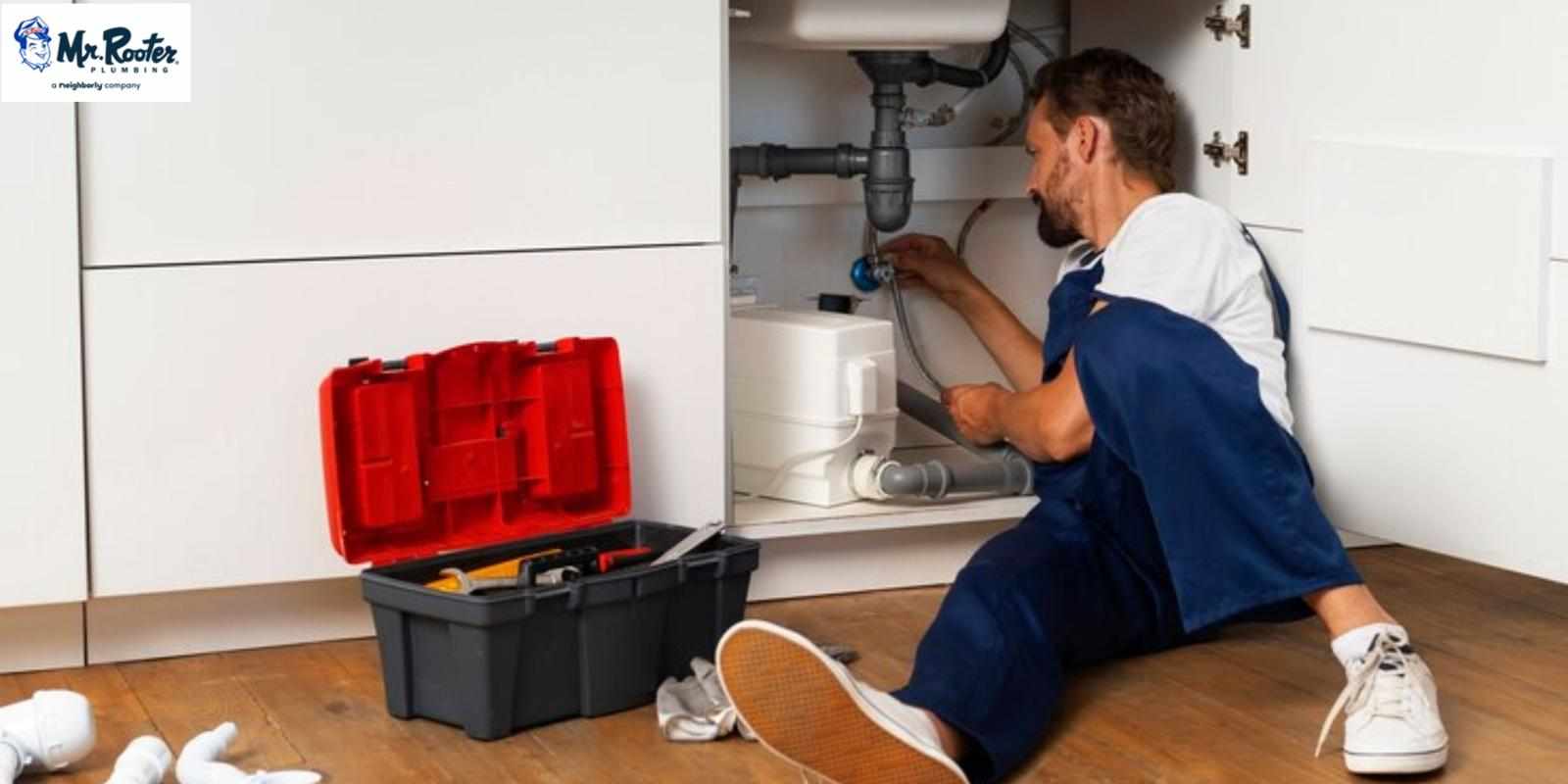
This is the real work. Old supply lines come out, new ones go in, and everything gets hooked back up to your fixtures. Water might get shut off in sections while this happens.
Fair warning: this is the stage where you'll notice the most disruption. It's not subtle.
5. Testing and Final Check
Once it's all installed, everything gets tested. They check for leaks, make sure water's flowing right, test the fixtures, inspect the connections, and get your plumbing back to normal.
How Much Does House Repiping Cost?
Let's talk cost, because I know that's what everyone's really wondering about. House repiping cost isn't the same for every home; it swings a lot based on a few things:
Home size: Bigger house, more pipe, more labor. Pretty simple math.
Number of fixtures: Got a lot of sinks, showers, toilets, appliances? That all adds work.
Pipe material: PEX and copper aren't priced the same, and installation costs differ too.
Pipe accessibility: If your pipes are buried behind walls or ceilings, or stuck somewhere annoying, that's extra labor right there.
Wall or ceiling access: Cutting into surfaces and putting them back together isn't free. That adds up.
Plumbing layout: A more complicated system takes more time to plan and work through.
Condition of existing pipes: If your old pipes are falling apart or a pain to remove, that slows things down and costs more.
What Disruptions Should You Expect?
This is often the biggest concern for homeowners.
During a repipe, water service may be interrupted for portions of the work. Certain rooms may also become temporarily inaccessible while plumbing connections are being replaced.
You may need to plan for:
Temporary water shutoffs
Noise from installation work
Limited access to some rooms
Openings in walls or ceilings where pipes are accessed
Temporary relocation of furniture
Cleanup after plumbing work
Short periods when individual fixtures cannot be used
A good project plan should explain when water will be unavailable and which areas of the home will be affected.
How to Prepare for a Whole-House Repipe
A little preparation can make the project considerably easier.
Before work begins-
Ask for a written scope of work: Know which pipes and fixtures are included.
Discuss the expected schedule: Ask when water will be shut off and restored.
Clear access areas: Move furniture and belongings away from work zones.
Protect valuables: Keep personal items away from areas where walls may be opened.
Ask about wall access and restoration: Understand who handles repairs after plumbing installation.
Plan around water interruptions: Have drinking water available and make arrangements for essential household needs.
One practical tip: don't judge a repiping project only by how quickly the first pipes are installed. Proper planning, careful connections, testing, and cleanup are equally important.
Repair or Repipe: Which Makes More Sense?
The decision usually comes down to the condition and age of the overall plumbing system.
Repair probably makes sense when:
Just one section failed, nothing else
The rest of your pipes are still in decent shape
You're not seeing leaks pop up again and again
Repiping starts making more sense when:
You've got multiple sections failing
Corrosion's spread out, not just in one spot
Leaks keep coming back no matter what you fix
Your system's just become a hassle to keep up with
You're tired of paying for repair after repair and it's not stopping
If you've got an older home with galvanized pipes, it might be worth looking into repairing old galvanized pipes first before jumping straight to a full replacement. That said, don't let age alone make the call. I've seen older homes with pipes holding up just fine, and newer ones with issues already creeping in. It's the actual condition of your system that should decide this, not how many years it's been in the ground.
What Happens After Repiping?
Once everything's installed, don't just assume it's good and walk away. Test it. Check your faucets, toilets, showers, appliances and anything hooked up to the new plumbing and make sure it's all working the way it should.
You might notice the water pressure or flow feels a little different than before. That's normal, usually. But keep an eye out those first few days; watch for any unexpected moisture, weird noises, or connections that seem off. Catching a small issue early beats finding a big one later.
Mr. Rooter Plumbing of Killeen can take a look at any concerns and help you figure out whether it's a quick fix or something that points to a bigger repiping need.
Conclusion
Look, a whole-house repipe is a big project. No point pretending it's not. But it doesn't have to turn into some overwhelming mess if you actually understand what you're getting into the timeline, the disruption, which materials make sense, and what it's gonna cost you.
Mr. Rooter Plumbing of Killeen can check out your current plumbing and give you a straight answer full repipe or just a targeted repair. A proper assessment will catch the real issues and point you toward whatever actually makes sense for your home, not just the most expensive option.
FAQ About Whole-House Repiping
1. How long does a whole-house repipe take?
The repiping timeline depends on the home's size, layout, and plumbing access. Smaller projects may finish sooner, while larger homes can take longer.
2. Is a whole-house repipe worth the cost?
It can be worthwhile when a home has frequent leaks, corrosion, or recurring plumbing problems. Repiping can reduce repeated repairs and upgrade the plumbing system.
3. Will I have to leave my house during repiping?
Usually, no. You can often stay home, but some rooms may have limited access and water service may be temporarily shut off during the work.
4. What pipes are commonly used for whole-house repiping?
PEX and copper are common choices. The best option depends on your home's plumbing layout, budget, installation requirements, and local regulations.
5. Does repiping increase water pressure?
It can improve water flow if old or corroded pipes are restricting it. However, other plumbing problems can also cause low water pressure.
6. Can walls be damaged during a whole-house repipe?
Some access openings may be needed to reach hidden pipes. The amount of wall or ceiling access depends on the home's construction and plumbing layout.

Write a comment ...